OneHistory Presentations
OneHistory presentations have been successful with audiences from the Library of Congress and the National Archives to colleges and universities around the country and even--in modified versions--with elementary school children. All are designed to address issues of diversity in this country's history.
The narration of these presentations is informal. In keeping with the photographs, it's sometimes simply informative, sometimes powerfully serious, and sometimes funny. Each of these presentations is flexible in length. The presentations are free of charge to public schools, K-12, in Chicago. For all other groups, there is a fee.
Our Most Popular Presentations
Examining the Evidence: Seven Strategies for Teaching with Primary Sources
Based on our Capstone book of the same title, this presentation introduces the our seven strategies and applies them to a variety of intriguing and stimulating primary sources. This is intensive training in teaching with primary source material. Flexible workshop length.
Teaching in the Visual Realm: Fostering Visual Literacy
Approaching a photograph, drawing, sheet music cover or political cartoon as a primary source can be an exciting experience for your students. This presentation helps you teach them how to approach an image and deal with it as a primary source, a visual statement by an author or artist, and an aesthetic object. Flexible workshop length. Intended Audience: K-8 or high school teachers or both
Telling Images
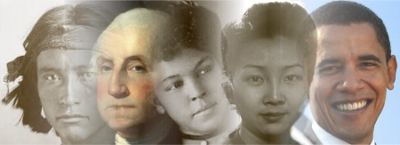
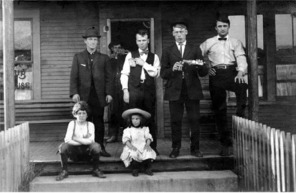
Garnering remarkable responses from students and adults, these images reveal that the events and eras they have learned about look much different from the images in their history books. People of all ages find this new access to American history challenges their preconceptions.
Other Presentations
America's Children: Picturing Childhood from Early America to the Present
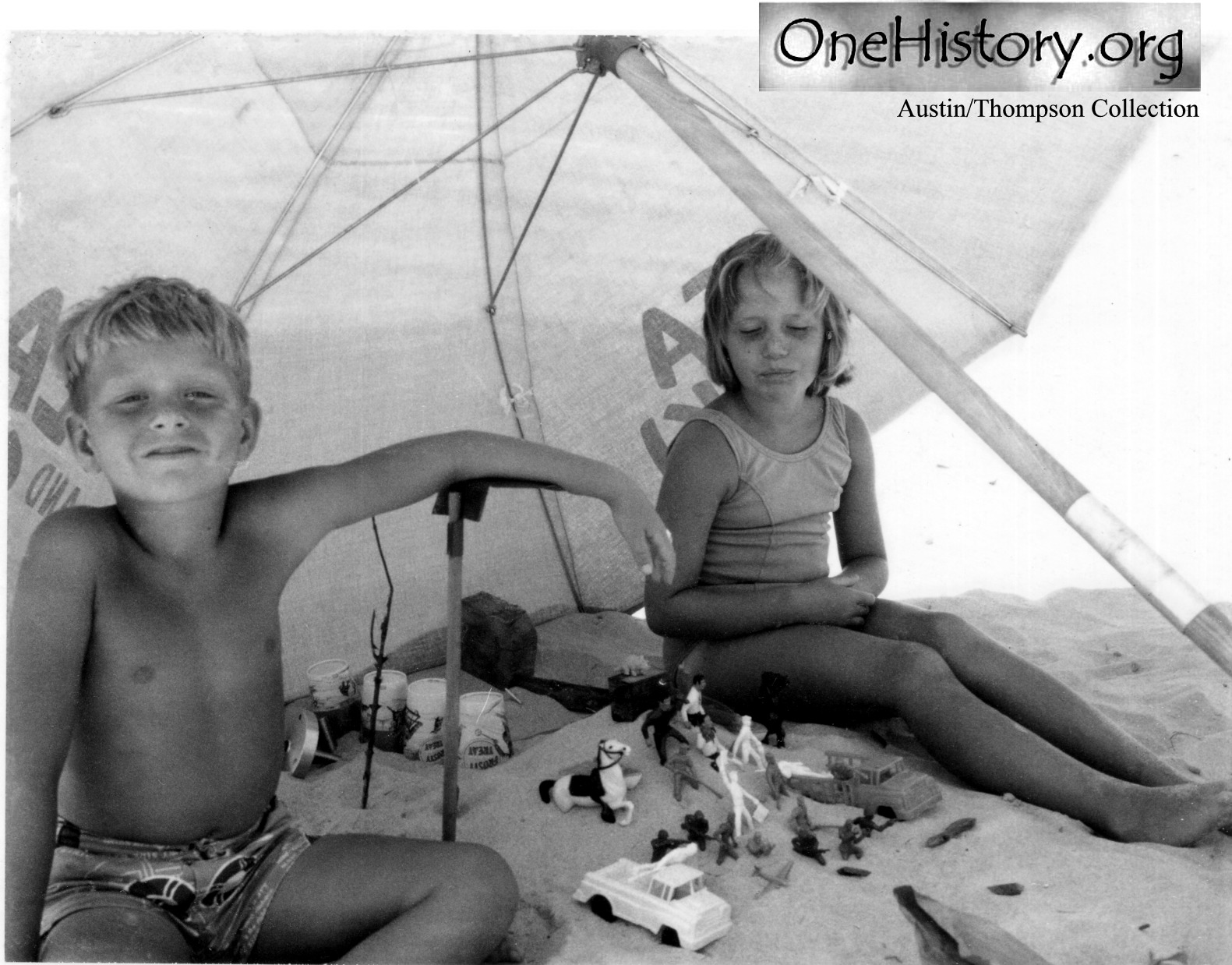
Based on our W. W. Norton book of the same name, this presentation uses Images of children to give a new perspective on America's past, present, and future. This is, let us stress, not a presentation for young children, although it can be modified, like the others, for that audience.
Belles, Mammies and Heroines
Images of stereotypes and real women of the American South make this presentation a revelation for both young people and adults.
The Face of Our Past: Images of Black Women from Colonial America to the Present
Based on our Indiana University Press book of the same name, this presentation uses images from archives all over the country, as well as family albums and dresser drawers. They tell an inspiring and challenging history with which most Americans are unfamiliar.
Children of the Depression
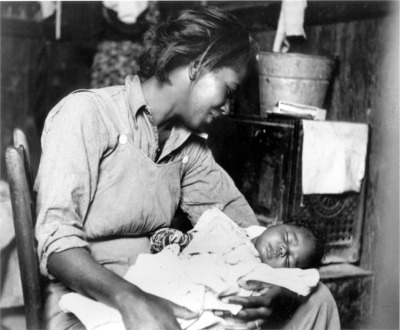
Based on our Indiana University Press book of the same name, this presentation uses primarily FSA photographs. The images in the presentation were created by some of America's greatest photographers--Dorothea Lange, Gordon Parks, Walker Evans, et. al. They bring home the realities of the Great Depression to young people because of they elicit feelings of empathy and identification.
Blues Queens to Hip Hop Divas
Through images and lyrics, this presentation explores the line of cultural resistance among Black women from "Ma" Rainey to Queen Latifah and her hip hop cohort.
Trying It On
From young women who passed as men to fight in the Civil War to girls clowning around to workers in mines and fields, there have been women who tried on male clothing. What did the act represent to them, and what does it mean to us today?